Controlled prismatic-layer generation
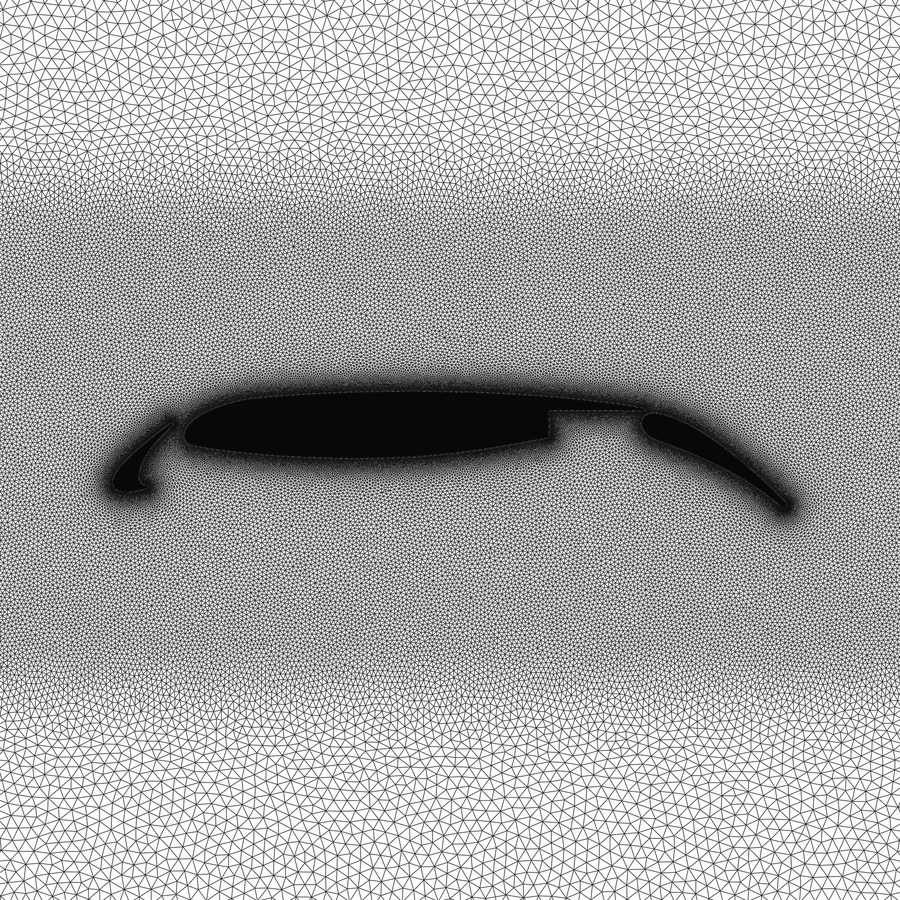
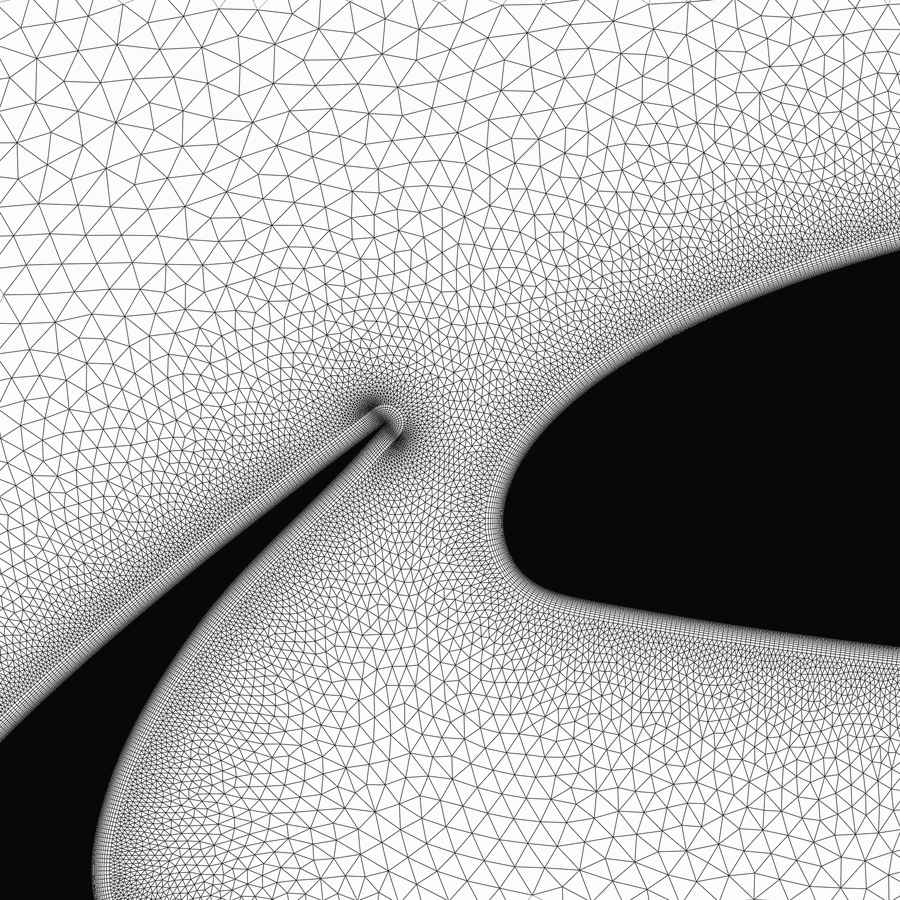
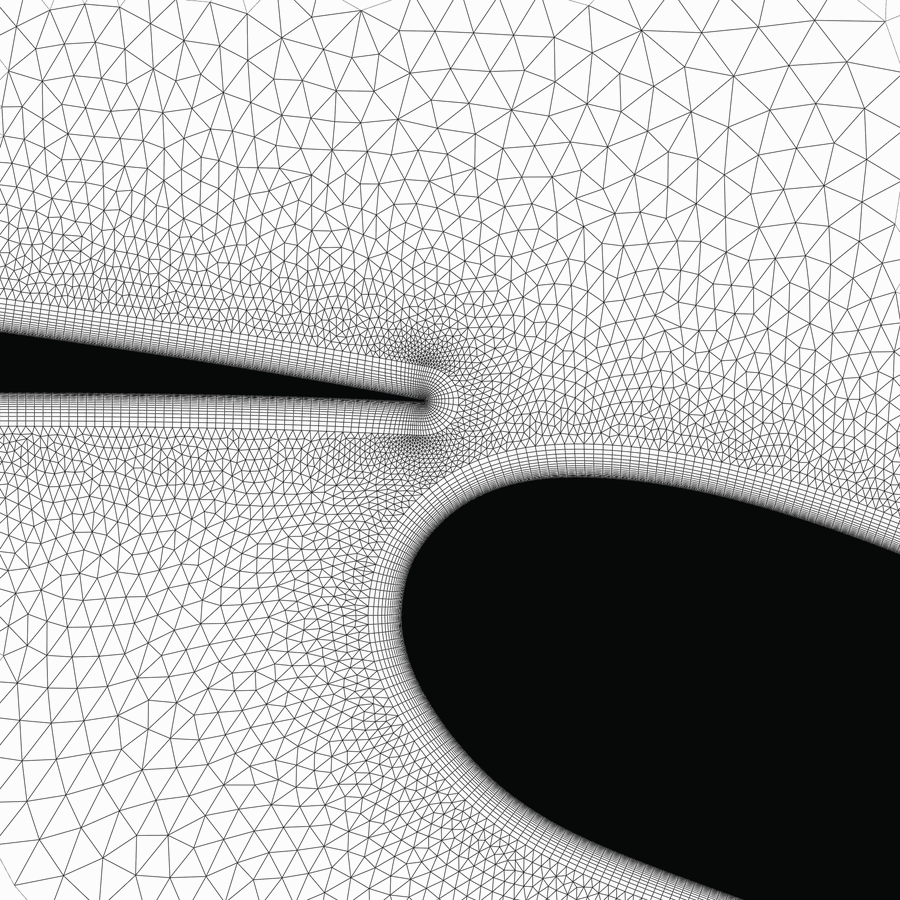
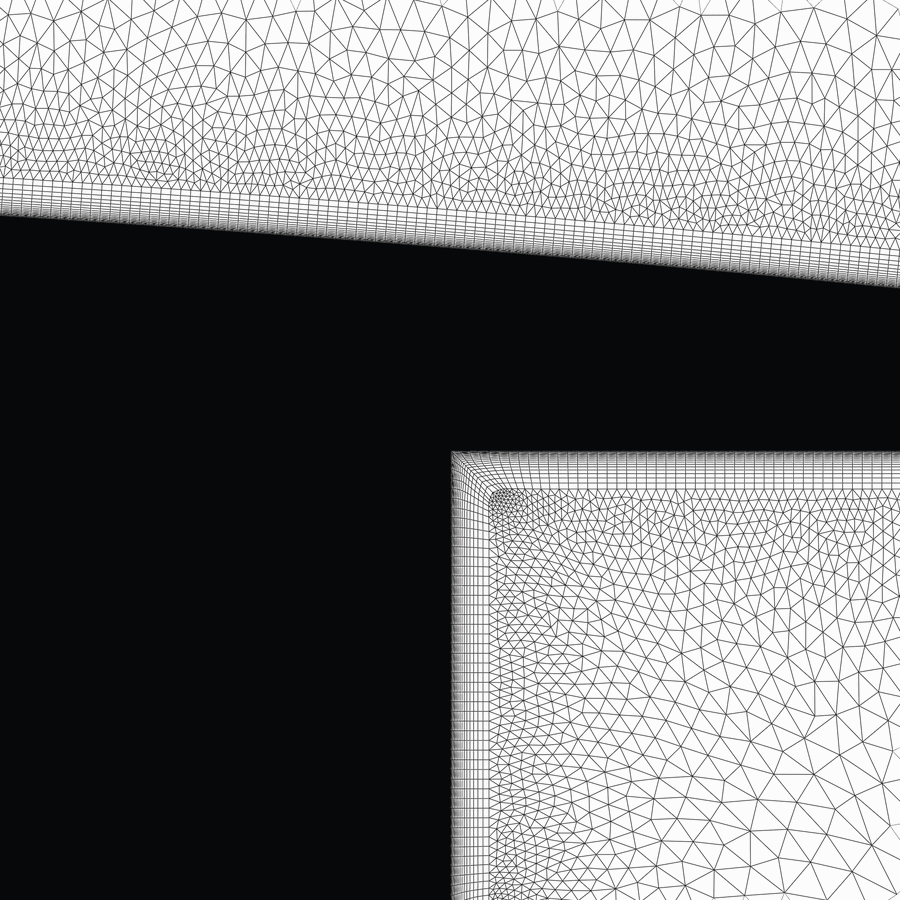
RobustMesh includes a custom layer-generation algorithm for near-wall CFD meshing, with direct control over first-cell height, layer count, total thickness, expansion ratio, and local growth behaviour.
RobustMesh is a personal software project exploring robust unstructured mesh generation for CFD. It focuses on boundary-layer meshing, geometry handling, mesh-quality control, and direct OpenFOAM integration.
RobustMesh started from two recurring frustrations in my CFD work: getting consistently good prismatic layers with snappyHexMesh, and the amount of setup required to obtain the level of control I wanted with Gmsh. I started developing my own meshing approach to explore whether I could build a simpler workflow with more direct control over boundary-layer generation and mesh quality.
RobustMesh includes a custom layer-generation algorithm for near-wall CFD meshing, with direct control over first-cell height, layer count, total thickness, expansion ratio, and local growth behaviour.
The prismatic layers are connected to an unstructured triangular core mesh, with local size control and gradual transitions between regions.
Development focuses on geometries that are challenging for boundary-layer meshing, including multi-element profiles, sharp features, concave regions, and narrow passages.
The meshing pipeline can run automatically or step by step, allowing intermediate results to be inspected and individual operations to be repeated. Generated meshes are exported directly to the OpenFOAM polyMesh format with boundary patches and associated mesh data.
Selected geometries used to develop and evaluate RobustMesh, with a focus on prismatic-layer generation, local mesh refinement, geometry handling, and unstructured core meshing.
RobustMesh currently supports a complete 2D meshing workflow. Ongoing development focuses on extending the same meshing concepts to 2.5D geometries and, later, fully three-dimensional meshes. RobustMesh is a personal project developed in my spare time, so development timelines and planned features are indicative rather than guaranteed.